

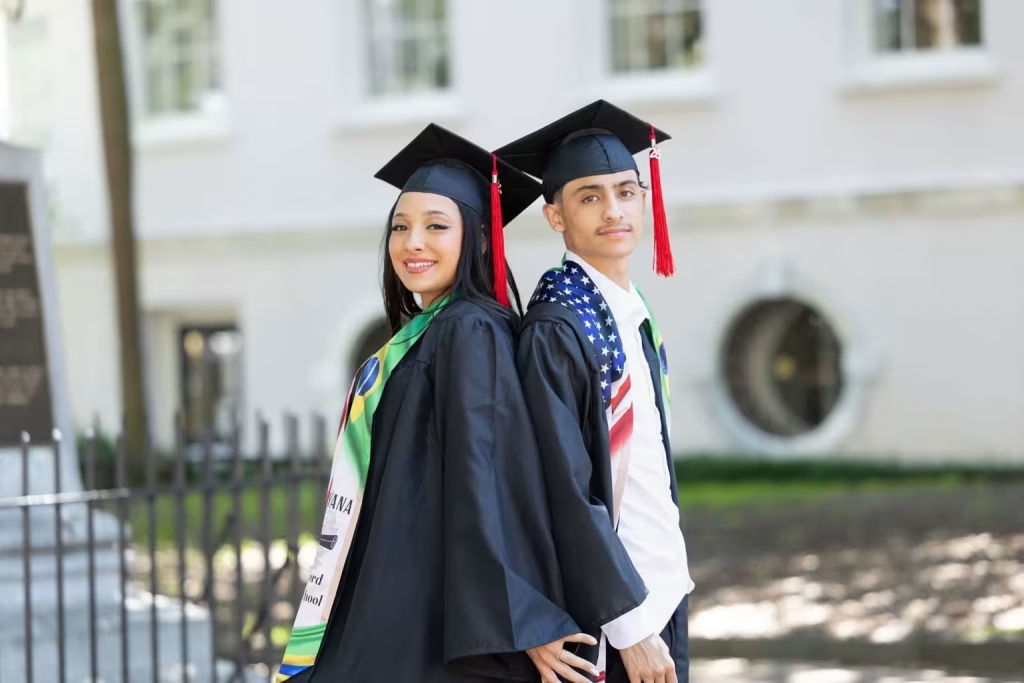
A senior picture pose is simply a position that gives your body something to do while the camera works: a shift of weight, a place to sit, a direction to walk.
Where the photo will end up decides which pose is worth the time, because one afternoon usually has to produce a yearbook portrait, an announcement and a print for the family wall.
The senior picture poses that cover almost every session are the weight shift, the seated pose on a step or ledge, the slow walk, the lean, and a close portrait with a hand in the frame. Two more, back to back and side by side, are for siblings, twins and best friends.
Pick them by the photo you need, then by where you are standing.
Seven senior picture poses that cover a whole session
None of these asks for flexibility or practice. Each one gives you a single instruction to follow, which is what keeps the face relaxed.
The weight shift
Stand with your body turned a little away from the camera, put your weight on the back foot and let the front knee soften. Turn your face back toward the lens. The shoulders stop looking square, and the stance reads calm instead of stiff.
The step or ledge sit
Sit on a step, a low wall or a ledge with one leg lower than the other and your elbows resting lightly on your knees. Lean forward a few inches. A seated pose gives the hands an easy place to land and works for a full-length frame or a closer crop.
The slow walk
Walk toward the camera at half your normal speed, looking down, to the side or straight ahead. Movement is the quickest cure for a frozen expression, which is why a walk makes a good first pose of the day.
The lean
Lean a shoulder or your back against a wall, a column, a tree or a railing, and cross one ankle over the other. The support lets your body relax, and the surface behind you becomes part of the picture.
The close portrait with a hand in frame
For a head-and-shoulders portrait, bring one hand to the collar, the jacket lapel or the side of your face, touching lightly. Hands that touch something look natural; hands that grip or press do not.
Back to back
For two seniors, stand back to back with your shoulders slightly turned toward the camera and both faces looking at the lens. It is the classic pose for twins, siblings who graduate together and best friends who booked the session as a pair.
Side by side, mid-stride
Walk next to each other and talk, or look at each other instead of the camera. The frame records the friendship instead of two people standing still for a photographer.
Which pose goes with which photo
A single session usually feeds three different uses, and each one rewards a different crop. Schools set their own yearbook requirements and deadlines, so ask yours for the format before the session.
| Pose | Best for | Works well in | Suits | Watch out for |
|---|---|---|---|---|
| Weight shift | Announcement, wall print | Studio, campus, park | Anyone; the safest first pose | Locked knees, which make the stance look rigid |
| Step or ledge sit | Wall print, social posts | Building steps, garden walls, studio stool | Seniors who feel awkward standing | Slouching; lean forward from the hips instead |
| Slow walk | Announcement, social posts | Sidewalks, campus paths, park trails | Nervous or high-energy seniors | Walking too fast, which blurs the face |
| Lean | Wall print | Brick or painted walls, columns, oaks | Quiet, laid-back personalities | Hands left hanging; give them a pocket or a thumb in a belt loop |
| Close portrait, hand in frame | Yearbook, announcement | Studio backdrop, open shade outdoors | Everyone; it is the core yearbook frame | A hand that covers the jaw or chin |
| Back to back | Announcement for two | Anywhere with a clean background | Twins, siblings, best friends | Heights very different; the taller one can bend a knee |
| Side by side, mid-stride | Social posts, family album | Streets, campus walks | Pairs who are comfortable together | Both looking down at the same moment |
What two real frames from a graduation session show
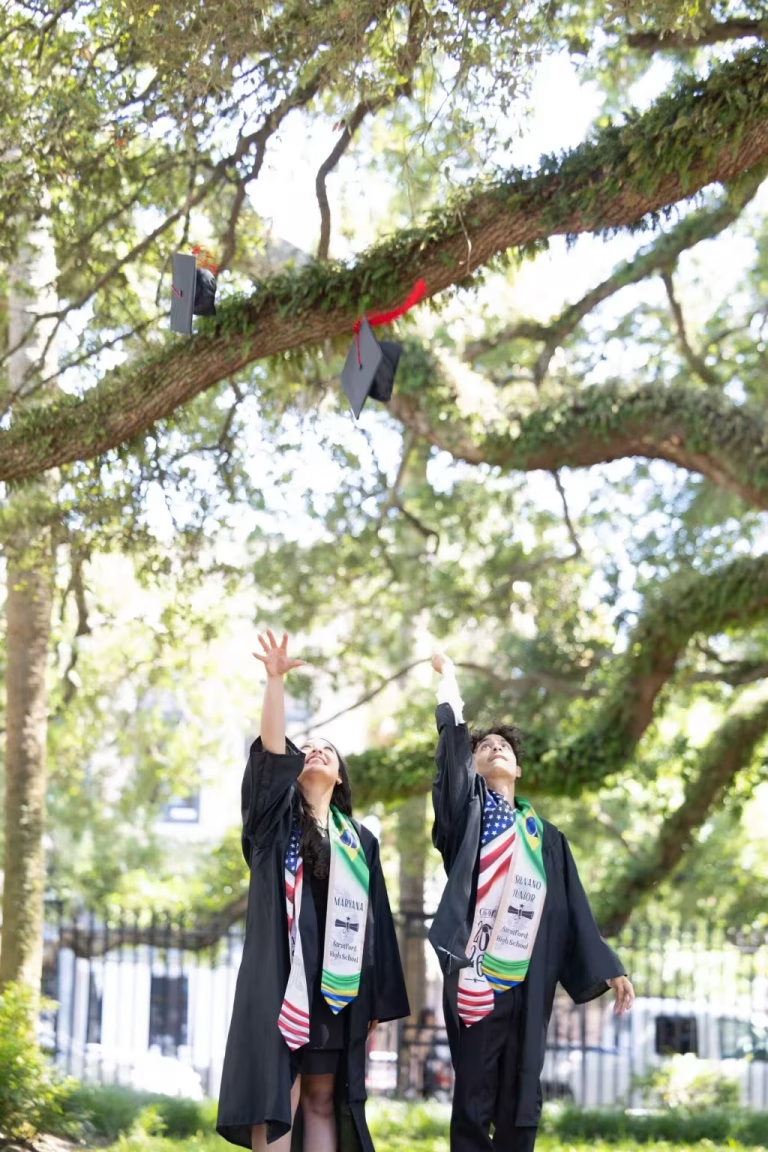
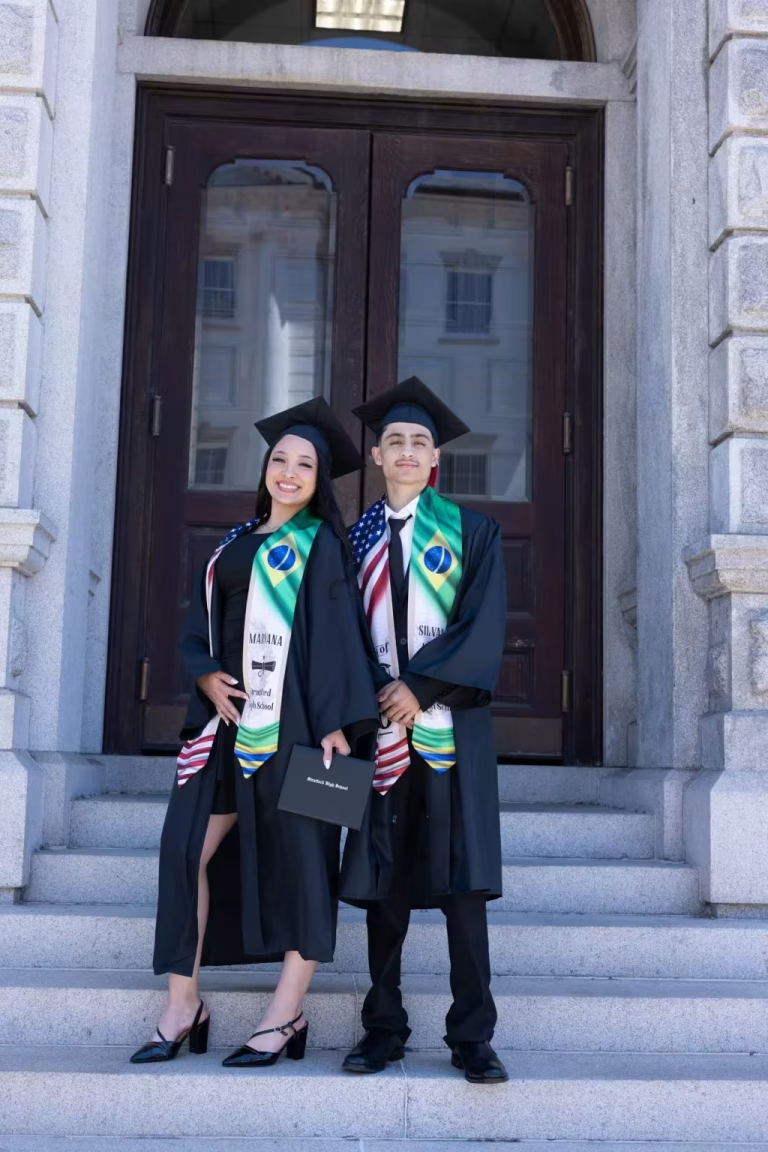
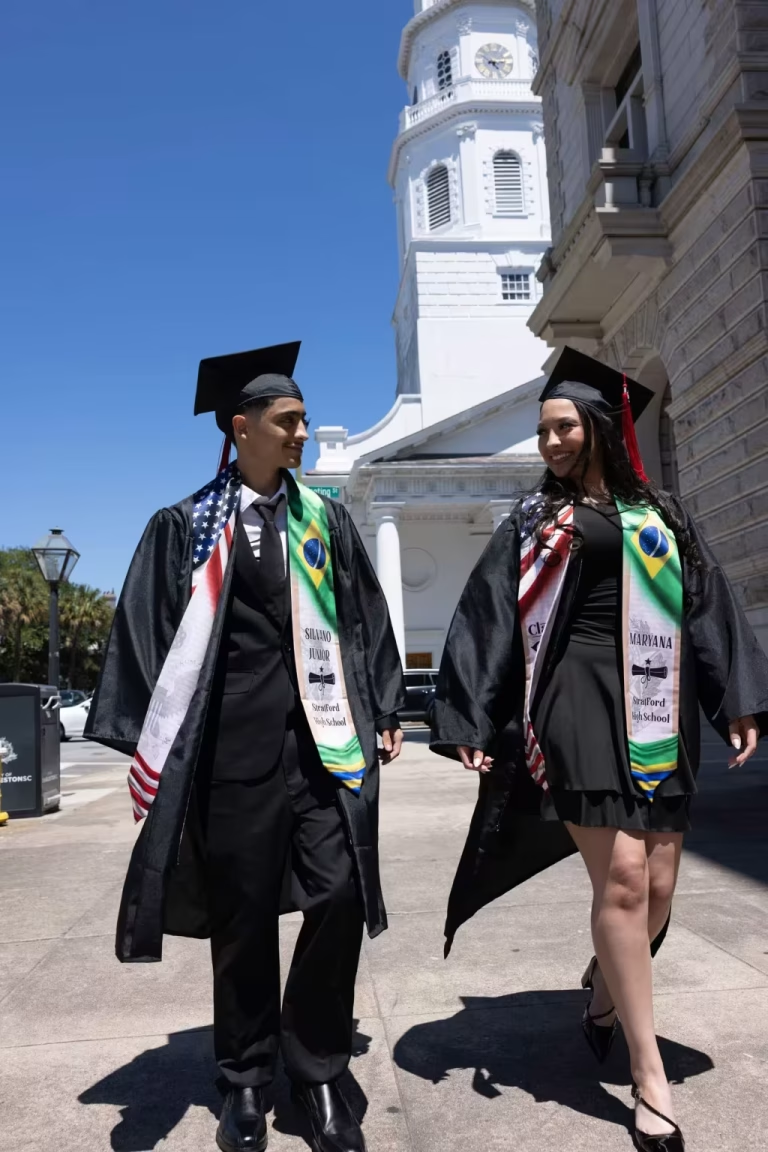
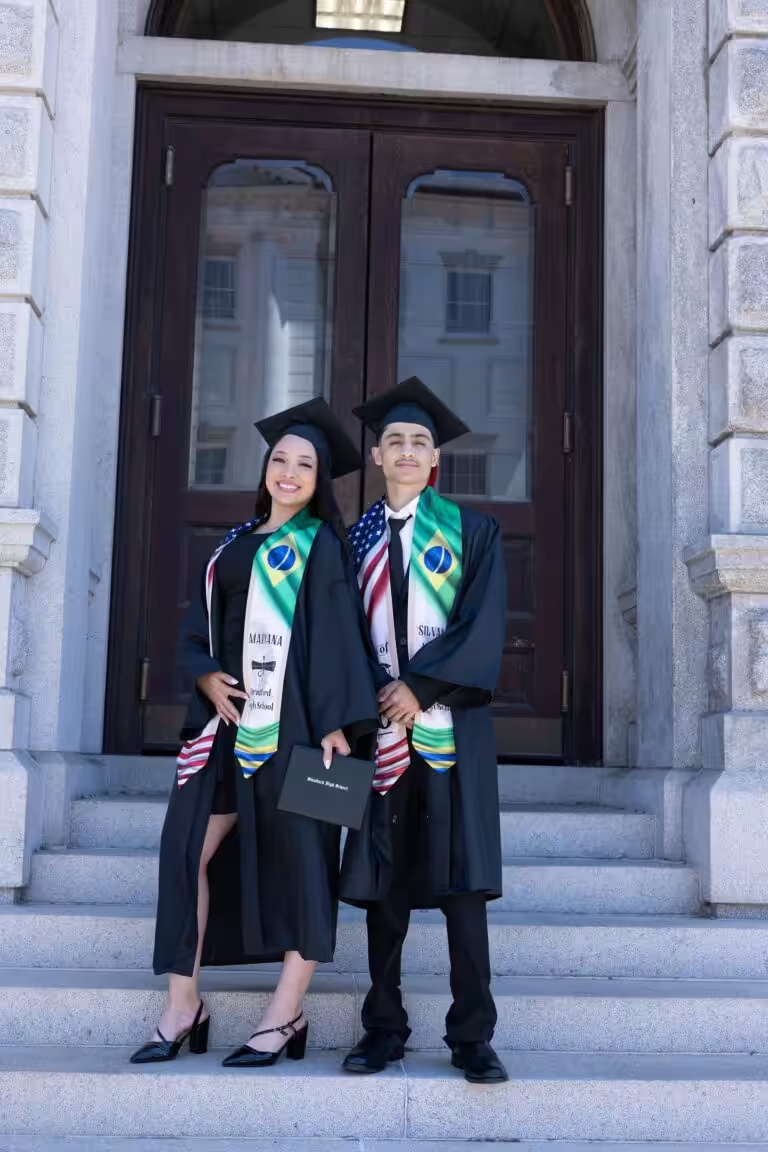
The graduation session of Mariana and Junior, two graduates photographed together by Studio FB USA, uses two of the poses above.
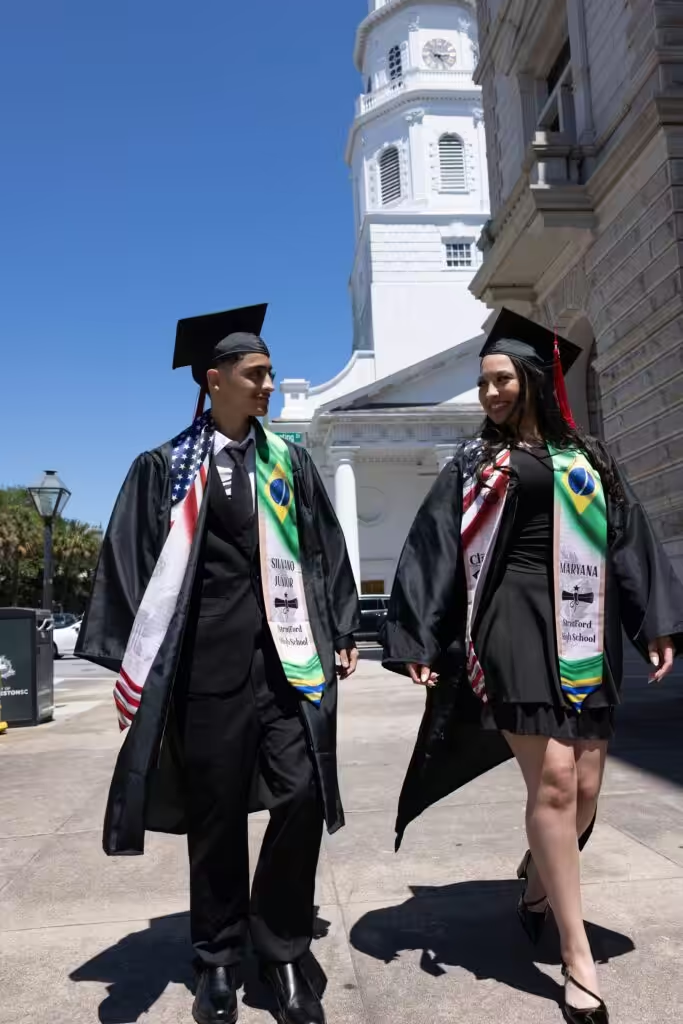
In this frame they walk side by side and look at each other, not at the lens. Nobody looks posed, yet every element was placed: the stoles hang straight, the gowns move, and the white building behind them keeps the background quiet.
Walking frames like this one tend to look the most natural in a gallery because the body is busy.

The second frame is the slow walk done solo, without the gown: Junior in a dark suit with his cap on, crossing a set of pale stone steps, one hand holding a small folder and the other loose at his side.
The steps give the photo lines to follow, and the half-step he takes keeps his shoulders from squaring up to the camera.
Hands, the question everyone asks
Give your hands a job, and they stop being a problem. A thumb in a pocket, fingers on a jacket edge, a hand on the step beside you or around an object all work. Fists, crossed arms held tight and hands hanging straight down are the three habits to drop.
The easiest job is an object that belongs to your story. On our graduation page we suggest bringing one: an instrument, a jersey, or the acceptance letter from whatever comes next. Holding something you care about changes the expression more than any instruction can.
What you wear changes the hands too. Jackets offer pockets and lapels, dresses offer a skirt to hold while walking. If you are still deciding on clothes, our guide to senior picture outfit ideas by setting and season helps you choose pieces that give you those options.
Small angle changes that fix most poses
Any of the seven poses can look stiff or relaxed depending on a few angles. These adjustments take seconds and work in every setting:
- Chin: push it slightly forward and then a touch down. It defines the jaw and keeps the neck from shortening.
- Shoulders: drop them away from your ears and turn them 30 to 45 degrees from the camera, then bring your face back toward the lens.
- Weight: keep it on the foot farther from the camera, so the front leg can relax.
- Arms: leave a little space between arm and waist; an arm pressed flat against the body looks wider than it is.
- Eyes: look just past the lens for a thoughtful frame, straight into it for the yearbook.
Choosing poses for the studio, a campus or a Summerville park
The setting decides which poses are even possible, so it is worth picking the place with the poses in mind.
- In the studio, the backdrop is plain and the light is built around you, so the weight shift and the close portrait carry the session. A stool or a low step takes care of the seated pose.
- On a campus, the entrance steps, columns and lettering invite the sit, the lean and the walk. Many schools limit photography during commencement week or ask for permission, so check before you plan around a landmark.
- In a Summerville park, the paths and gazebo at Azalea Park, the pond and the sculptures along its walks, or the fountain at Hutchinson Square give you something to lean on, sit by or walk past. Public places can be busy on weekends, so an early or late slot keeps strangers out of the frame.
Studio FB USA takes senior photos in Summerville and Charleston in the studio at 115 Crosscut Lane, on campus, or at a place that means something to the graduate, and plans the session in English, Portuguese or Spanish, so a parent can follow every instruction in their own language.
Getting from stiff to relaxed in the first ten minutes
The first frames of any session are the stiffest. Ordering the poses well fixes most of that.
- Start with movement: the slow walk, two or three passes.
- Move to something with support: the lean, then the seated pose.
- Only then try the still poses, the weight shift and the close portrait, when the face has stopped bracing for the shutter.
- Leave a few minutes for a pose you chose yourself. Seniors often know exactly which photo they want; saying it out loud early means it is not forgotten.
Between poses, breathe out and drop your shoulders. Looking at the back of the camera now and then also helps: once you see a frame you like, you trust the next instruction more.
Where the cap and gown fit in
Everything above works in your own clothes and in regalia. In a gown, the fabric hides the shape of the stance, so the face, the hands and the stole carry the photo; walking and the close portrait do most of the work.
Regalia usually arrives only a few weeks before the ceremony, which is why those frames come at the end of senior year rather than at the start.
Screenshot the table above, mark the three poses you want most, and bring it along. When you know which photos you need, book a senior portrait session with Studio FB USA.