




To prepare for a newborn photoshoot, hold a date during pregnancy, pack a bag the day before, and arrive with a fed baby in loose clothes, with no plans for the rest of the day. Everything else, from the warm room to the posing, is the photographer’s job.
The checklist below follows the order things happen, with notes on why each step matters. A printable version is at the end.
During pregnancy: hold a date, not a day
Posed newborn sessions work best in the first days of life, so we reserve them before the birth. You send the due date and we hold a tentative slot around it.
Once the baby arrives, you message us from the hospital or from home to set the exact day. An early or late arrival, or extra days in the hospital, moves the slot rather than cancelling it.
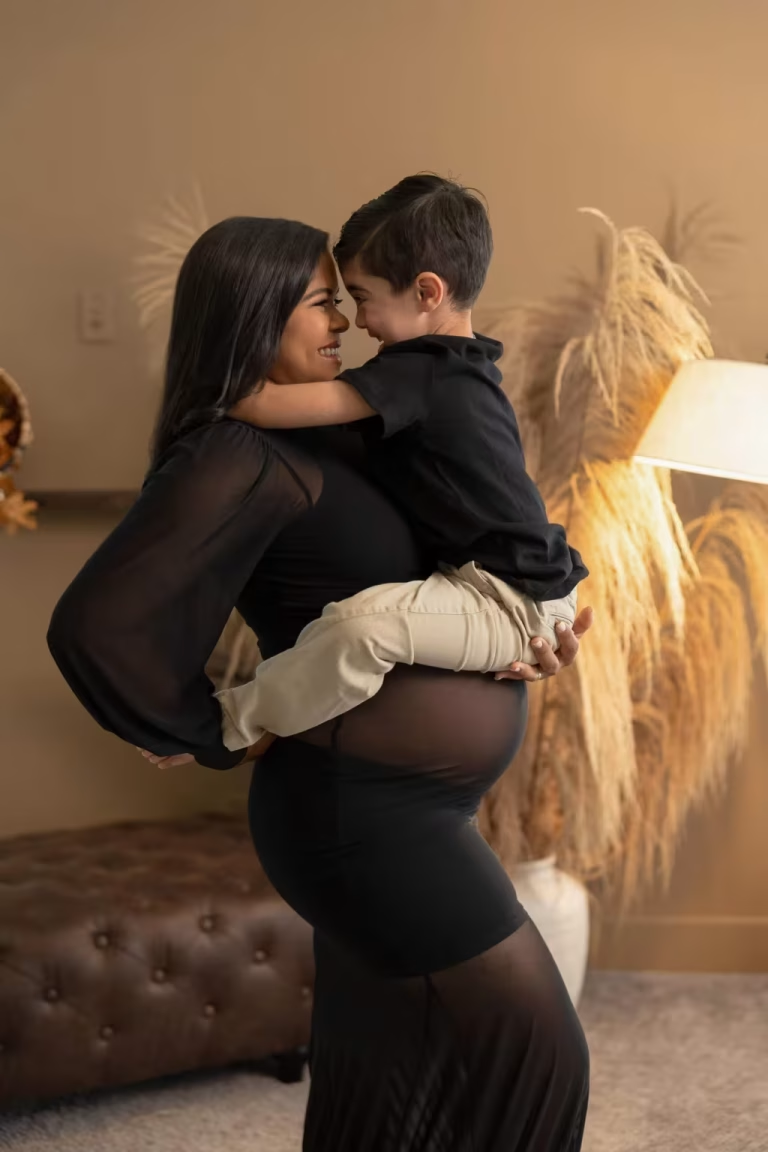
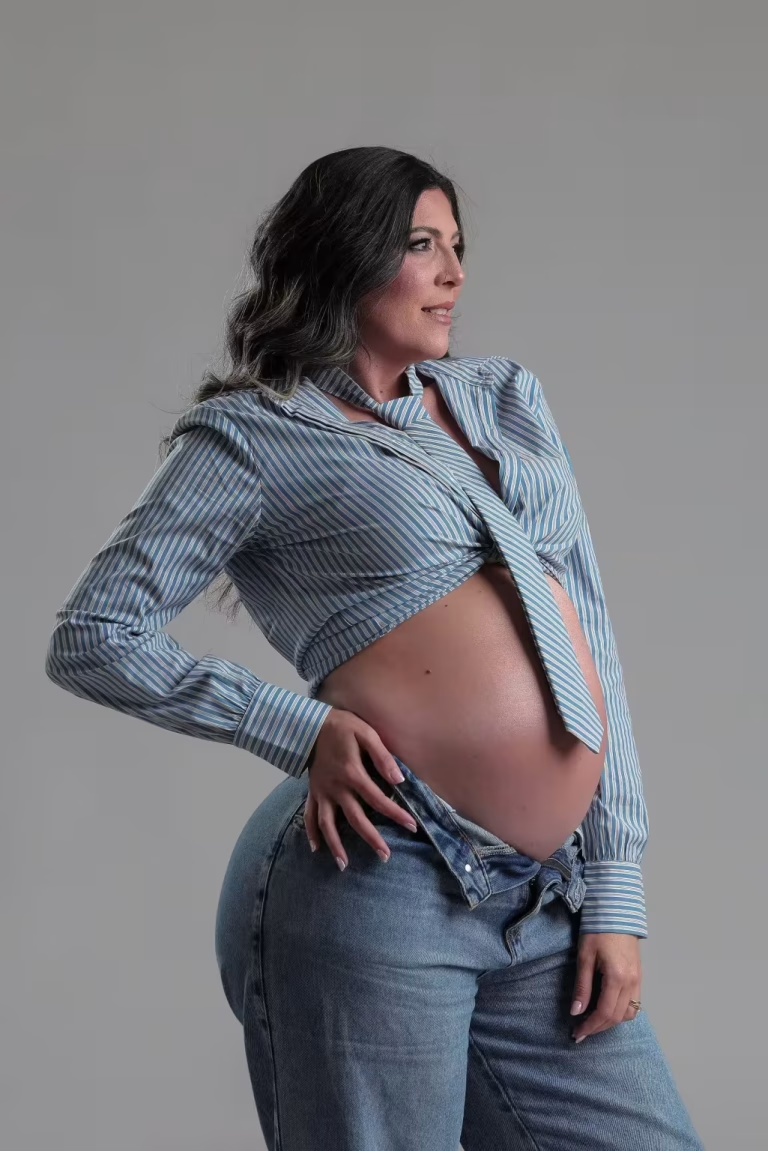
If you are also planning maternity photos with us, mention it at the same time, so both galleries are edited in the same style.
The week before: decide the setting and the people
- Studio or home. In the studio in Summerville the temperature, light and background are set before you arrive. A lifestyle session at home uses your nursery and your window light. Choose the one that suits the first weeks better; some families would rather not take a few-day-old baby in the car at all.
- Who will be in the photos. Parents, older siblings, grandparents? Siblings are photographed early in the session, while their patience lasts, so plan for them to arrive at the start.
- What to include. A blanket someone knitted, a keepsake, something that says where the family comes from. Tell us ahead so it can be planned into a set.
- Clothes. Parents and siblings photograph best in solid, neutral colors without logos. The full guide to what the baby and the family should wear covers wraps, colors and accessories.
The day before: pack the bag
A newborn session cannot be rushed, so pack for a long outing, not a quick appointment.
- Diapers and wipes, more than you think.
- Feeding supplies: bottles and formula or pumped milk if you use them, a nursing cover if you like one, burp cloths.
- A pacifier, if your baby already uses one.
- A change of clothes for each parent; newborns are not careful about where things land.
- Water and a snack for the adults, and something quiet for an older sibling.
- The keepsake or blanket you want in the photos.
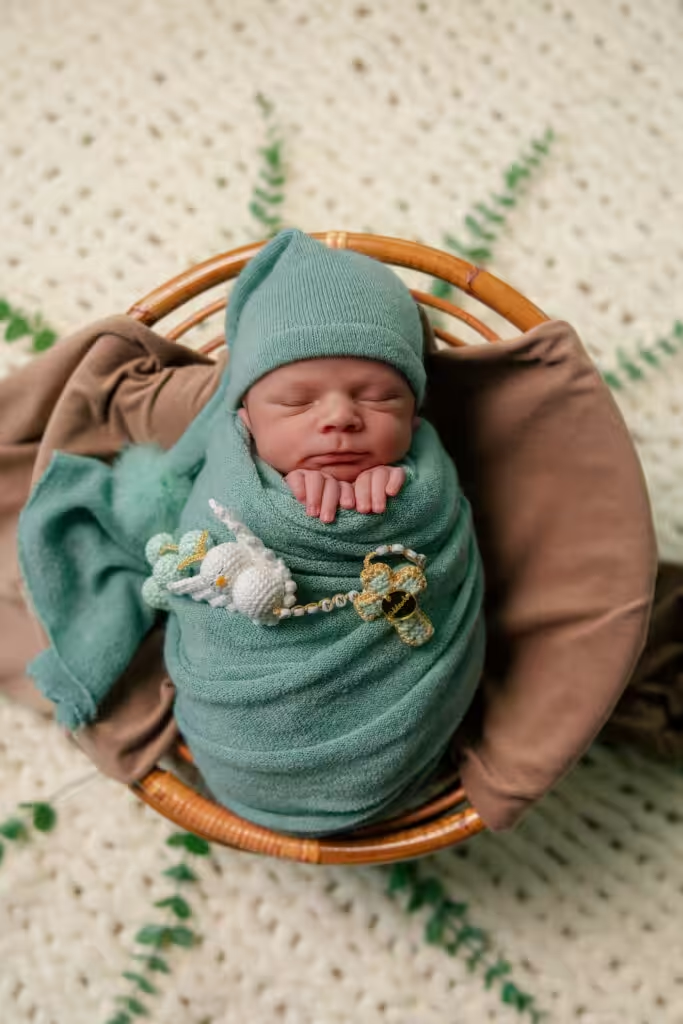
In José Bernardo’s session, a small crocheted piece with a dove and a cross rests on his sage wrap in the basket. Small pieces like this are easy to forget on the morning of the session, which is why they belong in the bag the night before.
The morning of: feeding, clothes and the drive
Feed the baby right before the session. Our session notes say it plainly, because the posed frames depend on a sleepy, settled baby.
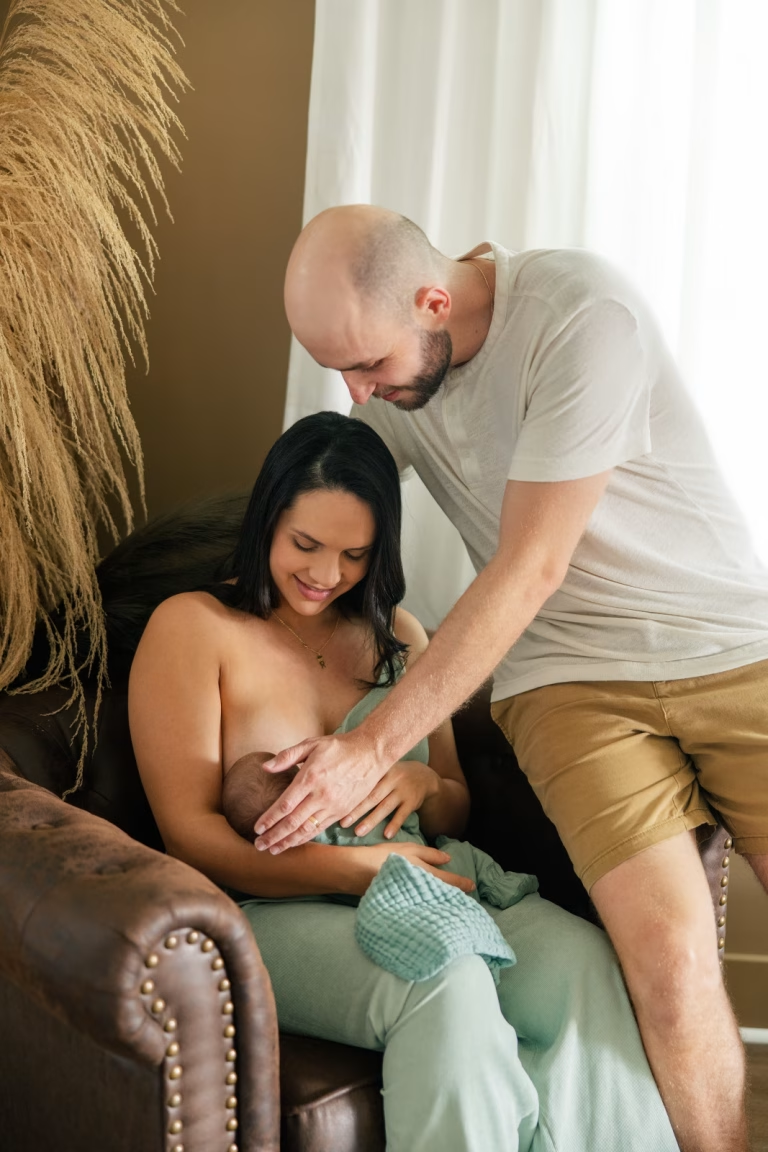
Newborns eat often. The American Academy of Pediatrics says breastfed newborns usually nurse about every two hours, around 10 to 12 times in 24 hours, and bottle-fed newborns usually eat every two to three hours (HealthyChildren.org). So a feed during the session is normal, and we plan for it.
Dress the baby in loose clothing that is easy to remove, ideally something that opens in front, so changing into a wrap does not wake a sleeping baby.
For the drive, use the car seat exactly as you would for any trip. The AAP says all infants should ride rear-facing, starting with their first ride home from the hospital (HealthyChildren.org, car seats).
Leave early enough that nobody arrives rushed. The studio on Crosscut Lane is a short drive from Goose Creek and usually under half an hour from North Charleston and Moncks Corner.
During the session: what to expect
The session runs at the baby’s pace. The room is kept warm, the sound is kept low, and only one family is booked at a time, so there is no clock pushing anyone along. Feeding breaks, diaper changes and a fussy stretch are part of every newborn session.
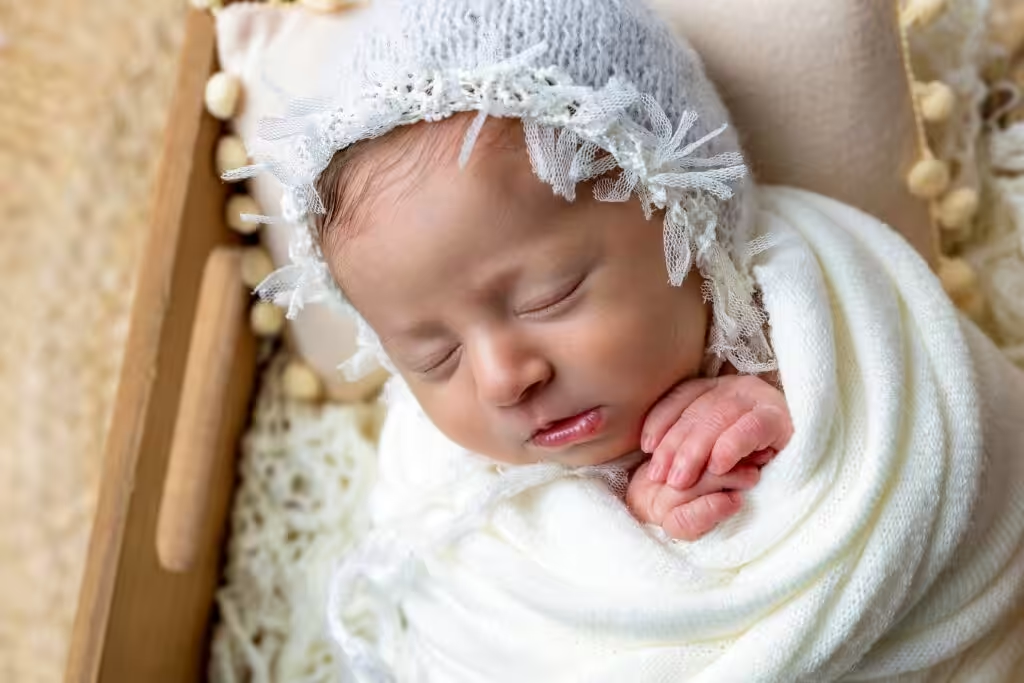
Frames like this one from Rafaela’s session happen once the baby is deeply asleep, which can take a while. Your role is mostly to feed, soothe and rest.
Hands stay on the baby at every moment, and any pose that looks like the baby is holding its own weight is assembled afterward from supported frames. More about that is in the article on how newborn sessions are kept safe.
Three questions about the session itself
How long does it take? There is no fixed length. The session lasts as long as the baby needs, with pauses for feeding and comforting, so plan the day around it rather than a set number of minutes.
Should we keep the baby awake beforehand? Some guides suggest it. Nothing in our published session notes asks for it; what they ask is a feed right before you arrive, loose clothes and enough time. If you are unsure, ask when we confirm the date.
How warm is the room? Warm enough for a baby wearing very little, which can feel warm to adults. Wear a light layer you can take off.
If the baby is fussy, has a rash, or you are exhausted
Parents sometimes ask whether a session still makes sense in these cases. In practice, none of them is a reason to cancel. Every newborn is fussy at some point. Minor skin marks are handled in editing. And exhausted parents are the norm, not the exception.
The session is built for that reality: a warm room, a slow pace and breaks whenever they are needed. If the baby is unwell, though, call before the session to talk about moving the date.
Preparing for a session at home instead
For a lifestyle session at home, the preparation shifts from packing a bag to getting one room ready: clear the surfaces, open the curtains in the room with the best window light and keep it warm, since the baby will spend part of the session in a wrap. Older children and pets can be part of it.
For families who recently moved to the Lowcountry, including military families near Joint Base Charleston, a session at home also means one less trip with a newborn in an unfamiliar area.
After the session: what happens next
Every delivered image is retouched by hand and shared in a private online gallery; prints, albums and wall pieces are made to order afterward.
If you also photographed the pregnancy with us, the newborn gallery is edited in the same style. Ask for the delivery date when you book, so you know when the finished gallery will arrive.
The printable newborn session checklist
Print this list and keep it on the fridge after your due date.
During pregnancy
- Send the due date and hold a tentative slot
- Decide: studio or home
- Mention maternity photos, if you want both
The week before
- List who will be in the photos
- Choose outfits for parents and siblings in solid, neutral colors
- Find the keepsake or blanket you want included
The day before
- Diapers, wipes, burp cloths
- Bottles, formula or pumped milk, if used
- Pacifier, if used
- A change of clothes for each parent
- Water and snacks for the adults; a quiet toy for siblings
The morning of
- Baby in loose, front-opening clothes
- Car seat installed rear-facing
- Feed right before the session starts
- Nothing else scheduled for the rest of the day
If your due date is coming up and you would like a session in Summerville or at home anywhere in the Charleston area, read how we work as a Charleston newborn photographer, then reserve your newborn session with your due date.