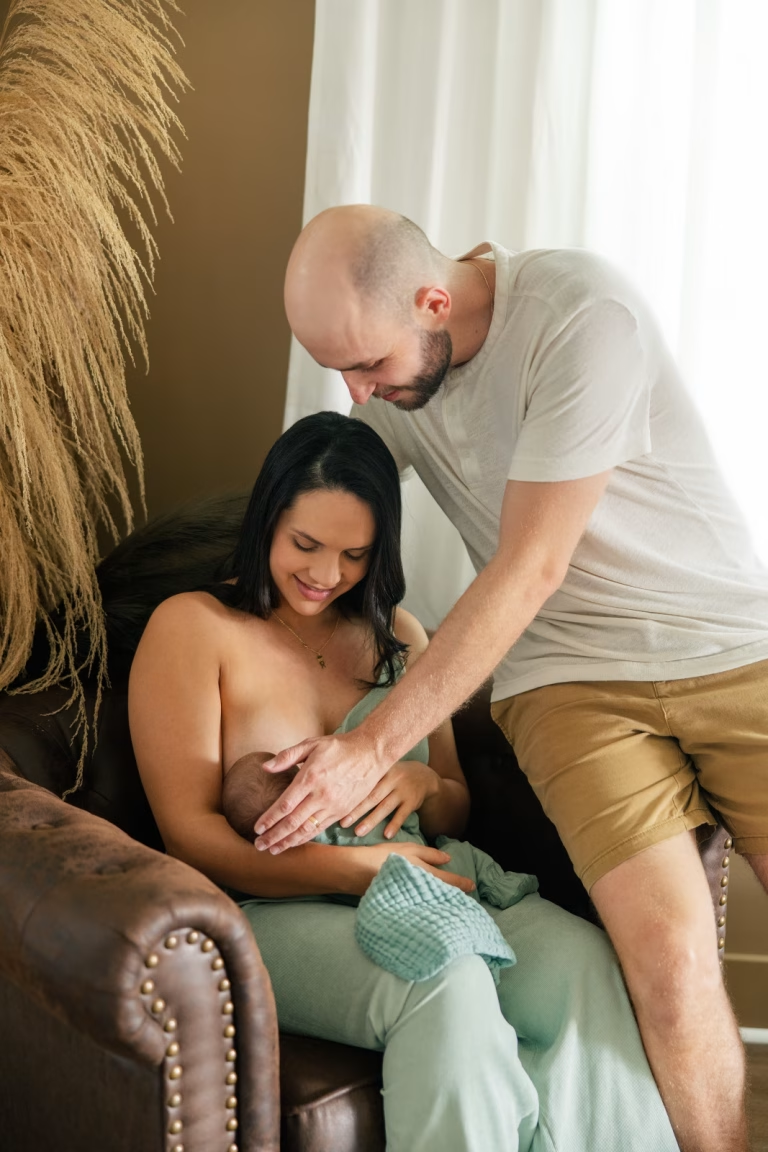

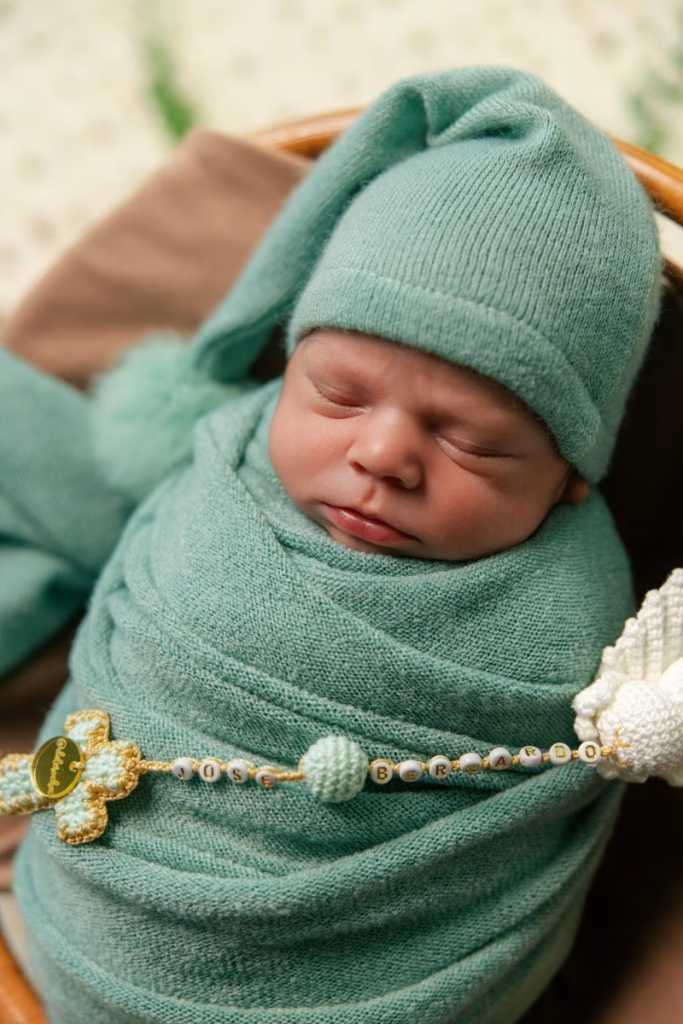
Posed newborn photography is the curled, deeply asleep baby, wrapped and arranged on a soft surface in a warm studio, usually in the first two weeks. Lifestyle newborn photography is documentary: your family at home, the baby held, fed and rocked in your own light, with very little arranged.
Neither is better. They produce different pictures, they suit different families, and one of them has a deadline. Because the posed window closes early, the choice between lifestyle vs posed newborn photography is best made before the birth, not after. We photograph both, and many families mix them.
Posed and lifestyle newborn sessions side by side
| Posed (studio) | Lifestyle (at home) | |
|---|---|---|
| Where | Our studio in Summerville, with temperature, light, sound and background set before you arrive | Your nursery, bedroom or living room, in your own window light |
| Best age | Five to fourteen days, while deep sleep makes curled poses possible | More flexible; an older baby is awake more, so more of the parents end up in the frame |
| The baby | Asleep, wrapped or curled, photographed close: hands, feet, ears, eyelashes | Awake or asleep, mostly in someone’s arms |
| Props and styling | Very few: wraps, a basket or crate, simple textures | Almost none; your home is the set |
| Who is in the frame | Mostly the baby, plus close portraits with parents and siblings | The whole household, often the dog |
| What you end up with | Quiet, timeless portraits that do not date | A record of how those first weeks actually looked and felt |
| Getting there | A short drive with a newborn | No drive at all |
What happens in a posed newborn session
A posed session is built around the baby’s sleep, and it runs on the baby’s clock. The room is kept warm and quiet, one family is booked at a time, and feeding, changing and settling breaks are part of the plan rather than interruptions. The session lasts as long as the baby needs it to.
The look comes from the controlled setting. With the light fixed and nothing changing in the background, the photographer can work slowly on the frames that are hard to get anywhere else: the macro details, the wrapped portrait, the baby asleep in a basket.
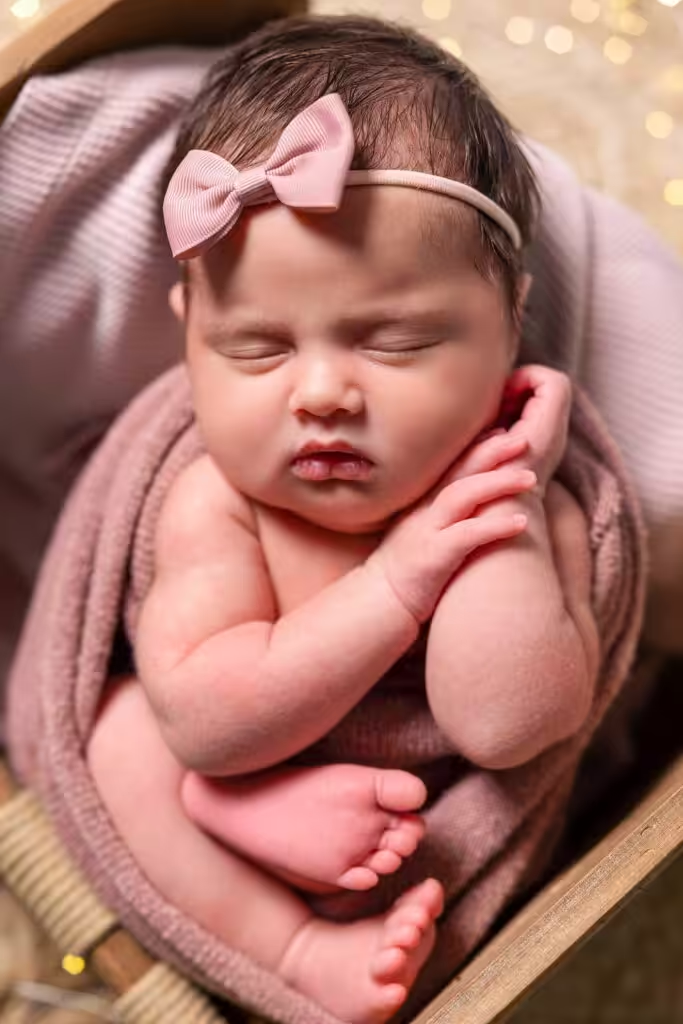
Some of the most famous posed images look as if the baby is holding themselves up. They are not.
In our sessions, hands stay on the baby at every moment, and the poses that seem to defy gravity are assembled afterward from frames in which someone was always holding on. Nothing is balanced, and nothing is propped. We explain the rest in how newborn sessions are kept safe.
What happens in a lifestyle newborn session
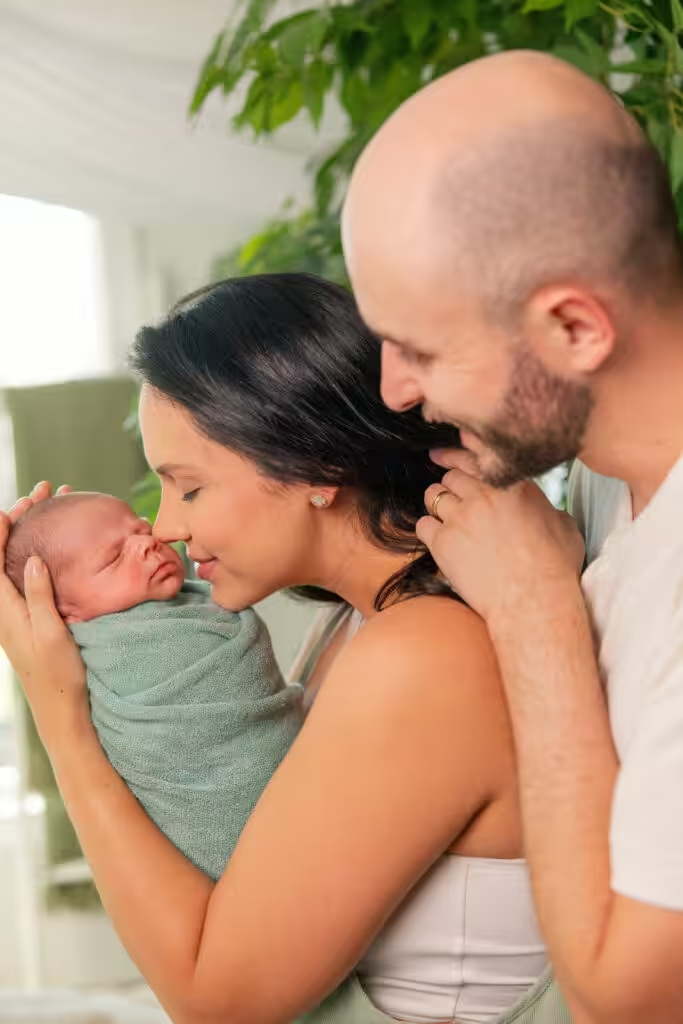
A lifestyle session watches more than it arranges. It is photographed in your home: the baby on the bed, a feed on the couch, an older child peering into the crib, the dog that refuses to leave the room. There is less styling and more observation, and the light is whatever your windows give.
The house becomes part of the story, which is the point for many families and a worry for others. You do not need a magazine nursery. It helps to have one room with a good window, and parents who are comfortable being in more of the pictures.
One thing worth deciding ahead: if you want the crib in the photographs, set it up the way you will actually use it.
The American Academy of Pediatrics’ safe sleep guidance is to place a baby on their back on a firm, flat surface with a fitted sheet only, with no blankets, pillows, stuffed toys or bumpers.
A sleeping-baby photo in a crib full of soft things is pretty, and it shows exactly what the AAP says to avoid.
Which style fits your family
| If this sounds like you | Lean toward | Why |
|---|---|---|
| You picture a framed, sleepy, curled baby on the wall | Posed | That look depends on deep newborn sleep and a controlled room |
| You want your home, your older child and the dog in the story | Lifestyle | The setting and the relationships are the subject |
| You would rather not put a nine-day-old in a car seat | Lifestyle | We come to you, so there is no drive |
| Your baby is already past the first couple of weeks | Lifestyle, or wrapped and cradled studio setups | An older baby is awake more, so the session leans on parents and expressions |
| Your home is mid-move, under renovation or very dark | Posed | The studio removes the light and the background from the equation |
| You want the timeless portrait and the real-life record | Both | Start in the studio and finish with a few frames at home |
Doing both in one session
You do not have to choose only one. Some families start in the studio for the posed portraits and finish with a few frames at home, so the gallery has both the quiet close-ups and the nursery, the sibling and the couch.
Even inside a studio session, the two kinds of frame sit together. Parents and siblings are photographed with the baby in simple, close portraits, usually early while an older child is still patient, and those images often feel closer to lifestyle than to a posed set.
The posed window closes first
Deeply asleep, curled newborn poses are most achievable in the first five to fourteen days, which is why posed sessions are reserved during pregnancy around the due date and confirmed once the baby arrives. A lifestyle session has more room.
If you think you might want the posed look, decide before the birth; you can always add a home session later, but you cannot go back to day ten.
A printable checklist to choose your style
Answer these before you book, and the style usually chooses itself. Bring the list to your first call; it is also everything we need to suggest the right session.
- What do I want to hang on the wall: a close, timeless portrait of the baby, or a picture of our family in our home?
- Will the baby be under about two weeks old on the session date, or older?
- Who needs to be in the photos: just the baby, parents, older siblings, grandparents, a pet?
- After the birth, will the drive to a studio be easy, or would I rather not leave home?
- Do I have one room with good window light that I would be glad to see in photographs?
- If I want the crib in the pictures, can it be set up the way the AAP describes safe sleep?
- Do I want both: a studio session plus a few frames at home?
- What is my due date, and what is the town we live in?
Planning your newborn photos in Summerville or at home
We photograph newborn photos in Summerville and Charleston both ways: posed in the private studio at 115 Crosscut Lane, and lifestyle in your home across the Charleston area.
Bring what you want remembered, whether that is a knitted blanket or a keepsake from where your family comes from. Sessions are led by our photographer, Fabio, and planning happens in English, Portuguese or Spanish.
Send us your due date, your town, and whether you lean toward the studio, your home or both. Plan your newborn session with Studio FB USA.