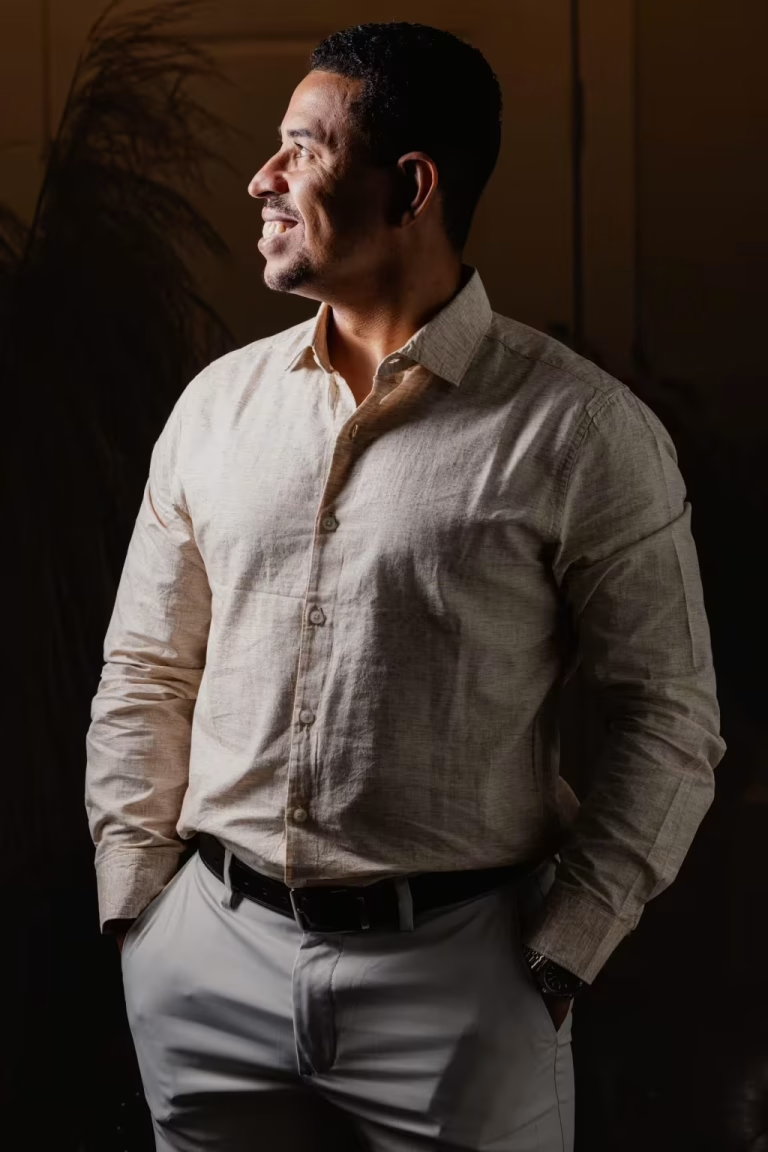


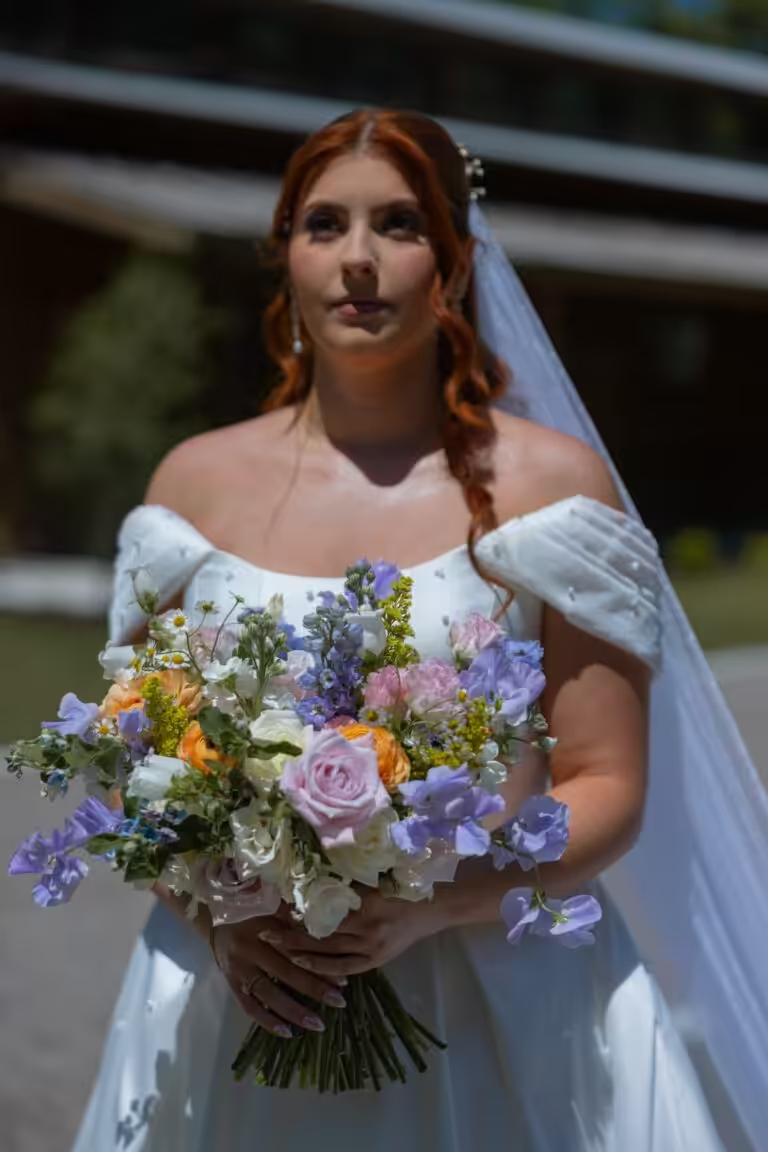
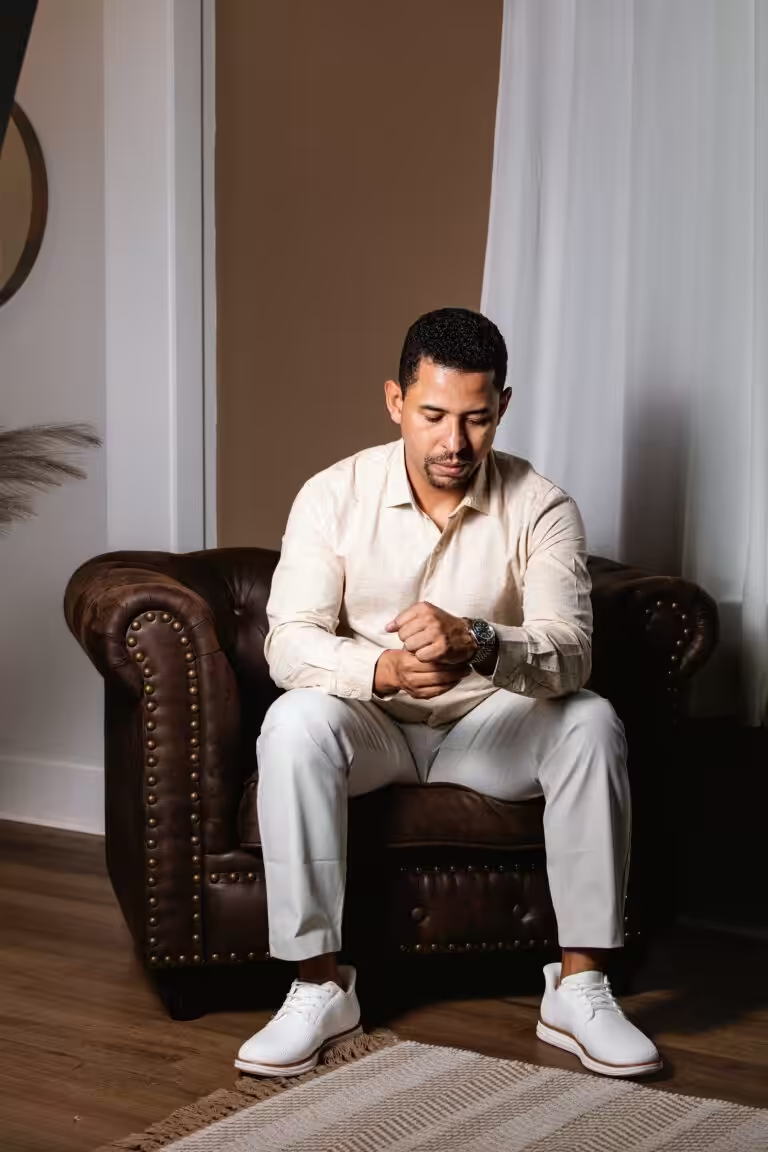

Ramon’s branding session, published on our site, has five photographs made in three different setups: a leather armchair, a dark corner lit from one side, and a bright white room with a plant. He wears the same shirt in all of them, and the five frames still look like they were made for five different jobs.
That is the core of good branding photoshoot ideas: plan the shots from where the photos will be used, not from a mood board.
A typical list covers a portrait that can replace your headshot, frames of you at work, details of your tools or product, a few frames that show your personality, and wide images with empty space for text, spread across two or three settings.
Start with where each photo will be used
Branding photographs earn their value in use, so the shot list starts with a list of destinations. Write down every place a picture of you or your business will appear in the next year:
- the home page and the about page of your website;
- Instagram, LinkedIn and Facebook, both the profile and the feed;
- your Google Business Profile;
- email signatures and newsletters;
- proposals and presentations;
- printed materials and signage, if you use them.
Each destination asks for something specific. A website header needs a horizontal frame with clean space on one side; a profile picture needs a tight crop that still works as a small circle; a proposal cover needs a calm portrait.
When the list exists before the session, the right orientations, crops and empty space get photographed on purpose instead of rescued afterward.
The portrait that replaces your headshot
Every branding session should include at least one image that can do a headshot’s job: shoulders and face, a clean background, eyes to the camera. It is the picture that will be used most often, from LinkedIn to the conference program.
Leave enough room around the shoulders that a designer can crop square, round or wide without cutting into the face, and choose the background by where the image will sit: light for a light website, dark for a dark deck. For posing that frame, our guide to headshot poses covers the small angle changes that matter.
Your brand color, behind you and on you
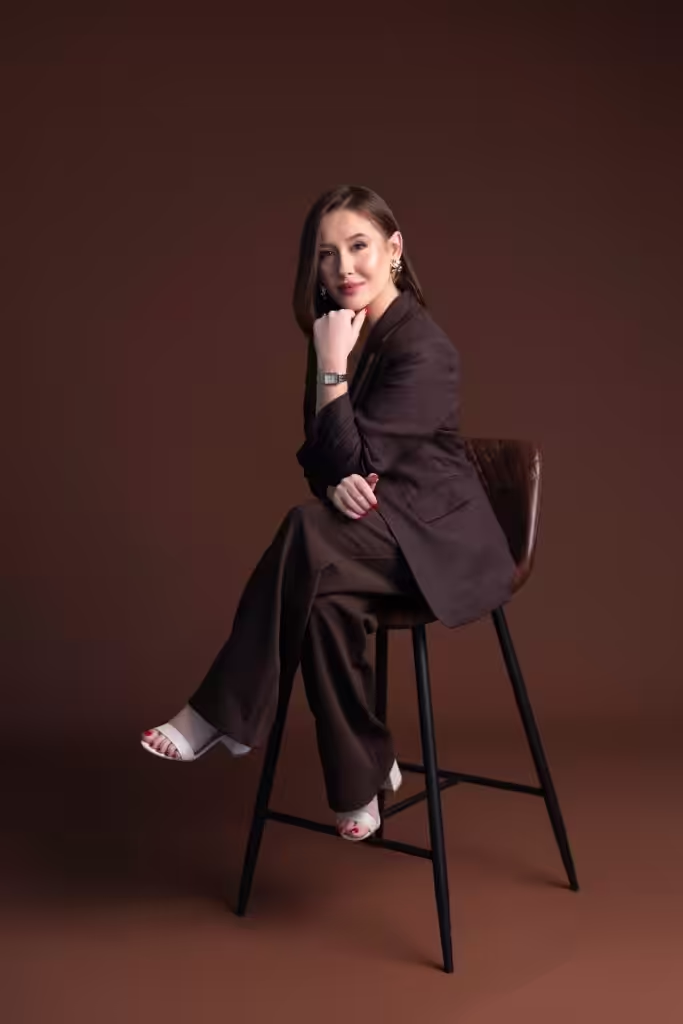
In Gabi’s branding session, the backdrop and the suit sit in the same family of browns. Tone on tone makes the face and hands the only contrast in the frame, and it gives every image from the session the same color signature, so a website or a feed built from them looks deliberate.
The stool does more than seat her. Full-length on a tall stool, close-up leaning on a chair back, laughing toward the lens: one backdrop and two pieces of furniture produced five different frames.
Three setups, one outfit
Ramon’s session is the opposite approach: one outfit, a cream linen shirt and light trousers, carried through three setups.
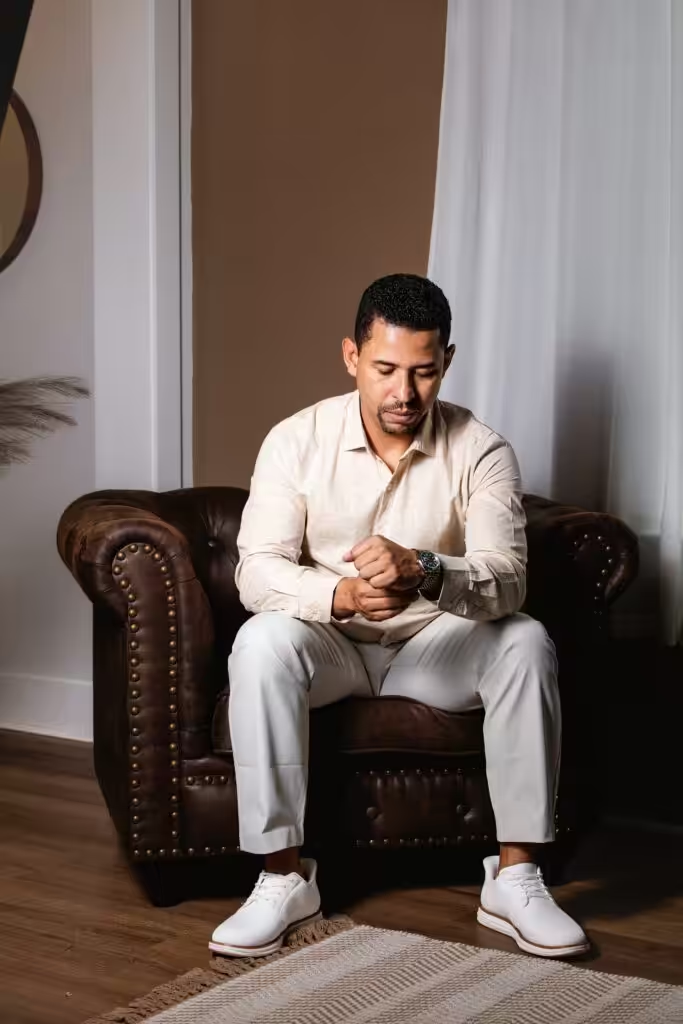
The armchair reads as established and calm, and adjusting the watch gives the hands a job, which is how an “action” frame works even without a workplace.
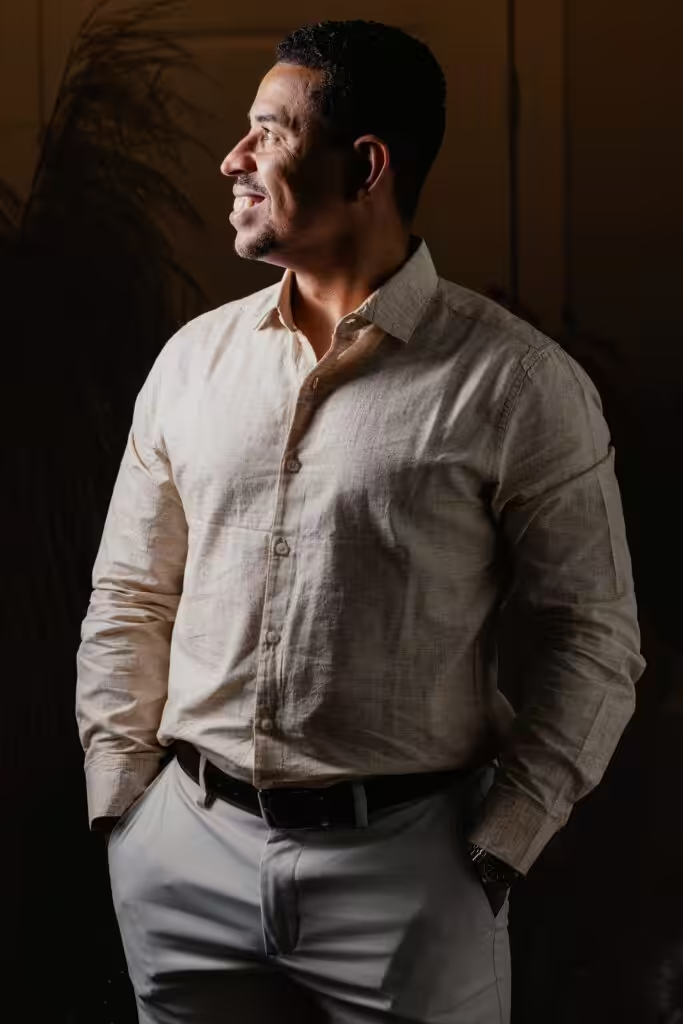
Side light against a dark background gives the most editorial frame of the set, the kind that suits an about page or a speaker bio.

And the bright, open frame with a plant is the approachable version, at home on a contact page or a Google Business Profile. Most of our branding sessions combine two or three settings and several outfits; Ramon’s shows how far a single outfit goes when the settings change.
You at work, in your own place
The frames that explain a business are the ones that show the actual work. Locations are chosen for light and for meaning, and the most useful idea is usually the plainest one: photograph the job where it happens.
- A realtor at a property, and in the car between showings.
- A coach in the studio, and at a coffee shop with a client chair across the table.
- A maker in the workshop, and with the finished product in hand.
- A clinic, a kitchen or a crew on site, photographed while the work is actually happening.
Sessions can run in our studio in Summerville or wherever the business happens: an office, a storefront, a coworking space, a site.
Hands, tools and the product in use
Detail images do a lot of quiet work in a feed. Hands on the tool of the trade, the product being used rather than displayed, the workspace from above: these frames fill the gaps between portraits and keep a profile from becoming a wall of faces.
Bring the objects that only your business has: the sample book, the keys to a listing, the instrument, the finished piece. A generic laptop says nothing about you.
Wide frames with room for words
Website headers and social graphics need horizontal frames with clean space where a headline will sit. They feel strange to pose for, because you are deliberately off to one side, and that is exactly why they are forgotten.
Ask for a few of these in each setting, with the empty side alternating left and right, so a designer has a choice when the text goes in.
A frame between poses
One frame in Gabi’s session is simply a laugh: a lean toward the lens, one hand reaching out of focus. It is the least planned frame in the set, and the one that sounds most like a person.
Sessions are directed throughout, so you never have to guess what to do with your hands, and paced for natural expressions rather than a fixed smile; frames like this one happen in the moments in between.
Wardrobe for a branding session
Plan two or three outfits that match the brand’s palette and tone, from more formal to more relaxed. Solid colors, a good fit and pieces that will not look dated in two years work better than busy patterns or large logos. If one outfit is the one you wear to meet your most important client, include it.
When to schedule it
Book the session several weeks before a launch, not the week of it. A new website, a rebrand, a new service or a move to a new office usually drives the date, and the images need time to be edited, cropped for each platform and placed by a designer.
Weekday sessions are usually easier to schedule than weekends. After the first full session, a refresh once a year, or whenever the business changes direction, keeps the photos current with the person behind them; many clients schedule a shorter follow-up rather than starting over.
Bring your list of destinations to the first conversation and we will turn it into locations, outfits and a shot list. To see how we work as a branding photographer in Charleston, start there, or plan a branding session with Studio FB USA.