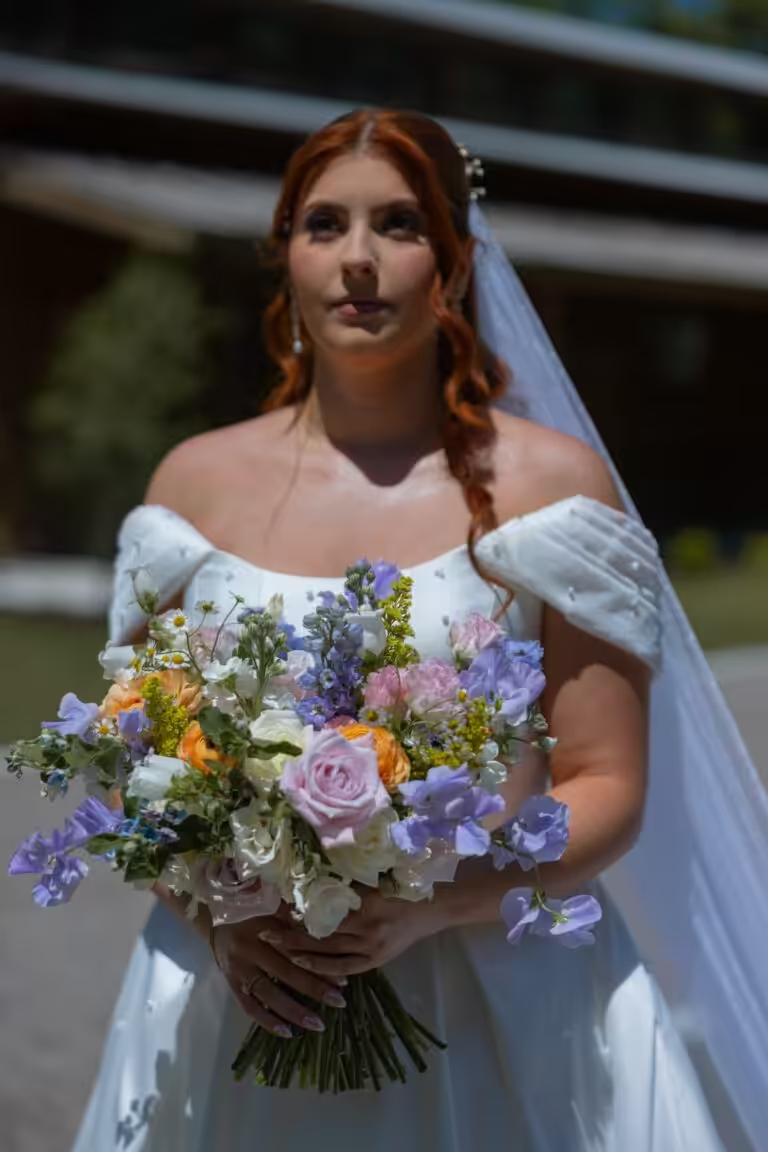
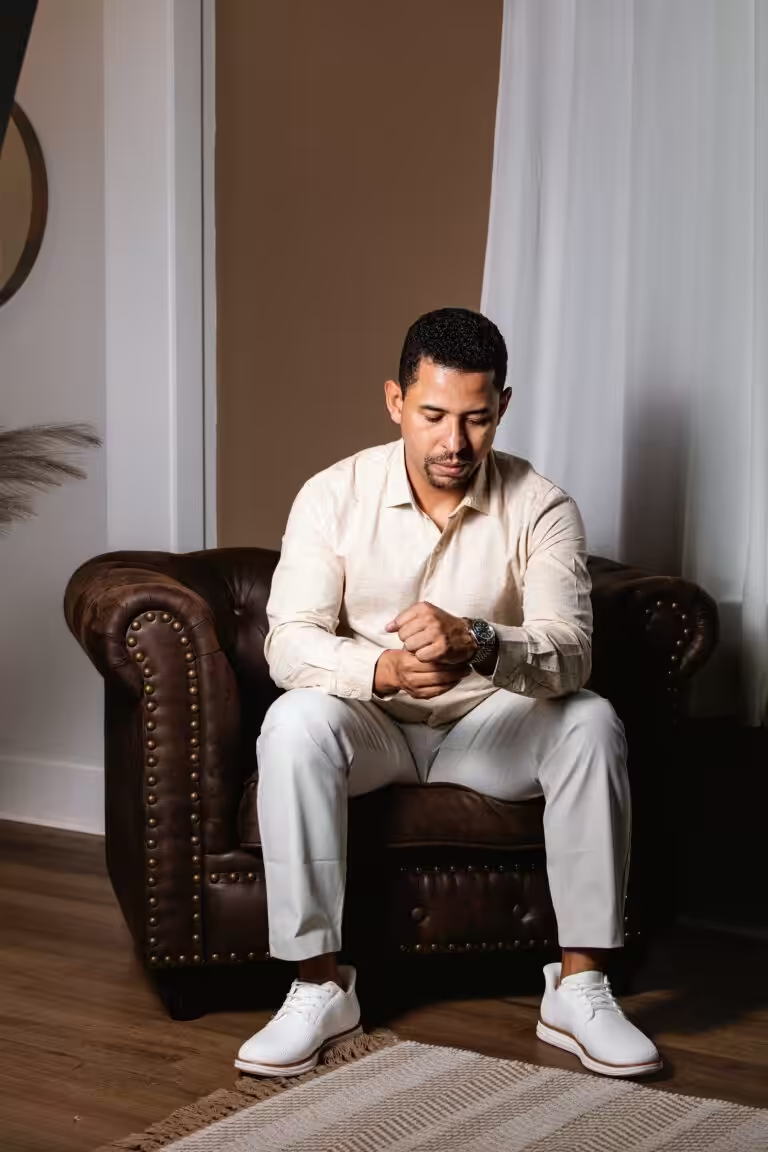
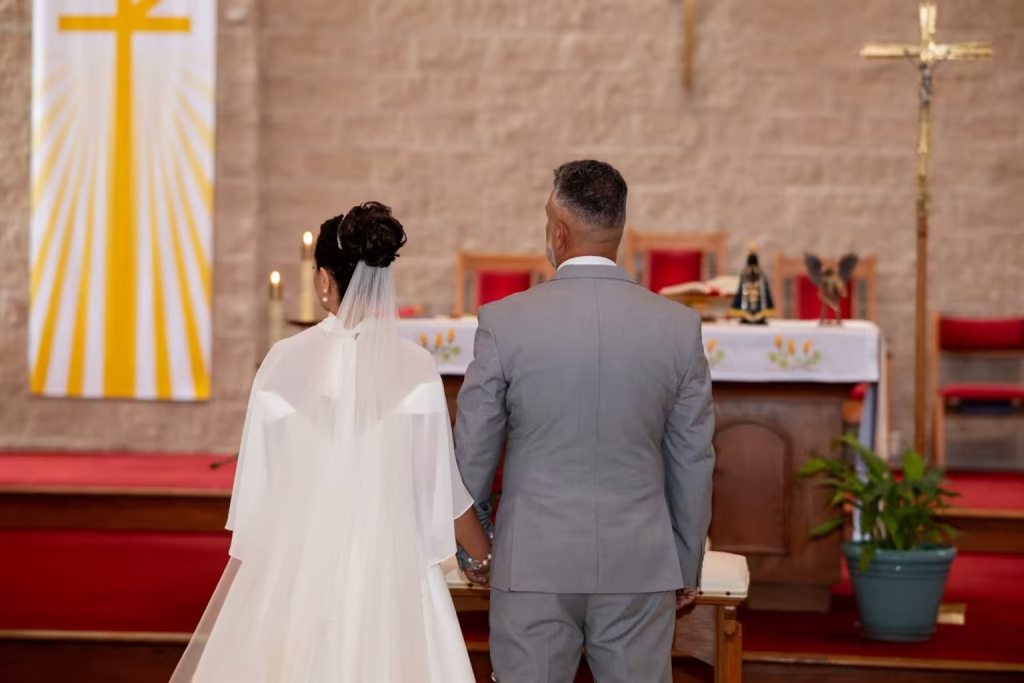
A wedding photograph and a wedding film differ the way a handwritten letter differs from a voicemail. The letter can be framed and passed around the table; the voicemail is the only one that still has the voice in it.
That is the short answer to wedding photographer vs videographer.
A photographer makes still images: portraits, family groups, details and single moments, edited to be printed and framed. A videographer records motion and sound: the vows in your own words, the toasts, the music and the way the day moved. They do different jobs, and when both are booked, the real question is whether they work together.
The difference, side by side
| Photographer | Videographer | |
|---|---|---|
| What it keeps | Faces, light, a moment held still | Voices, movement, music |
| Strongest moments | Portraits, family groups, details, reactions | Vows, toasts, the first dance, the walk down the aisle |
| How you use it | Prints, albums, wall art, cards, thank-you notes | Watching it back, sharing a clip, an anniversary night |
| What you receive | An edited gallery of images | An edited film |
| What it needs from the day | Light, a family photo list, time for portraits | Clean sound, a steady place in the ceremony, the running order |
Neither one replaces the other. A still image can hold an expression that lasts a fraction of a second; a film can hold a sentence that took a minute to say.
A note on words: in wedding listings, videographer and cinematographer overlap. Vendors who call themselves cinematographers tend to describe a more cinematic, music-led edit, but the label matters less than the work. Ask to watch one complete film, not only a highlight reel.
What only a film can keep
Film is the only format that keeps voices. The promises in the words the couple chose, a speech that went sideways and got the biggest laugh of the night, the song they danced to. A photograph can show that a toast was funny. It cannot replay the line.
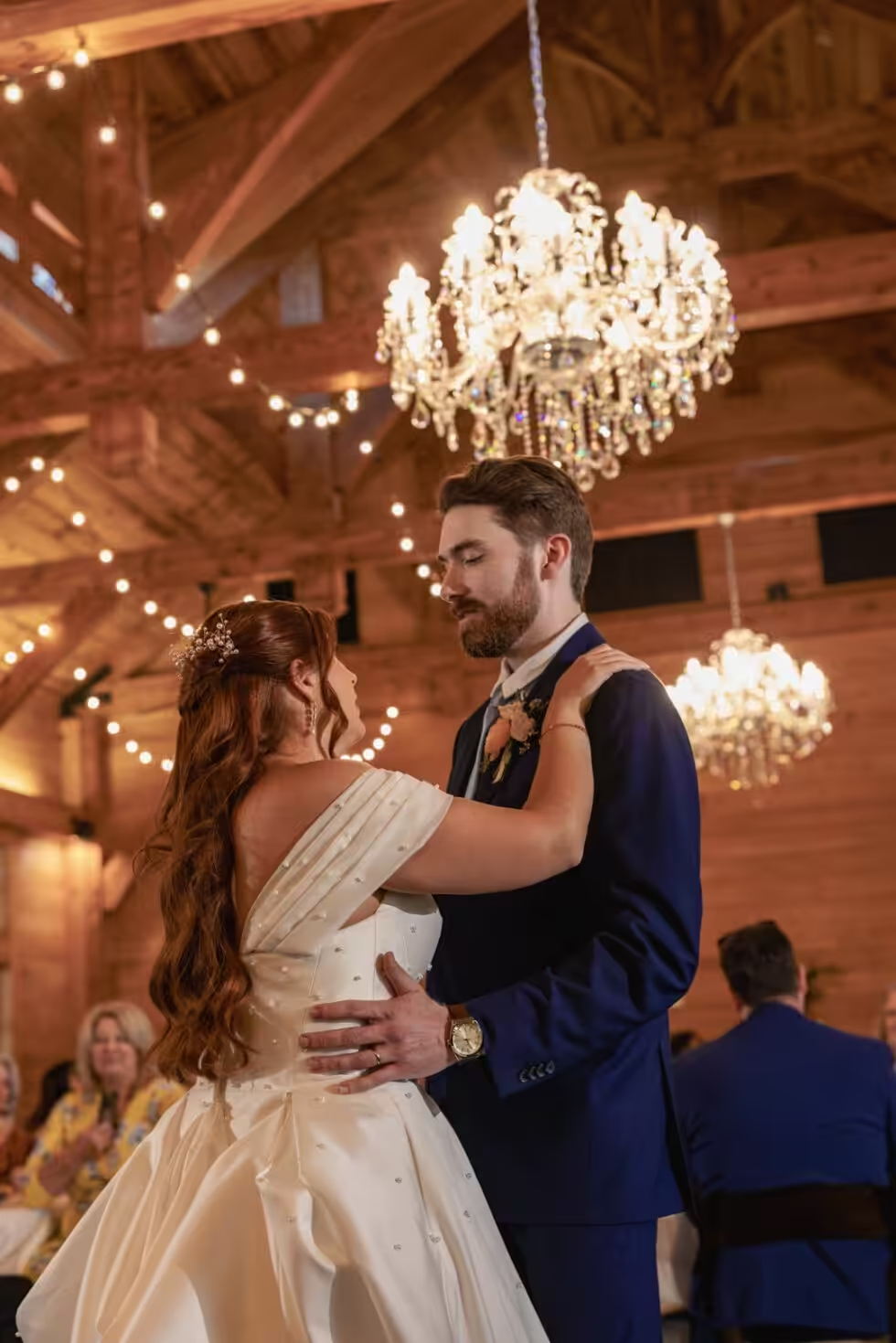
The first dance is the clearest example. In this frame from Isadora’s wedding, the photograph holds the closeness: her hand on his shoulder, the chandelier light, the guests watching from the tables. What it cannot hold is the song.
For families whose grandparents speak a different language from the couple, film also keeps their blessings and speeches in the language they were given in.
What photographs do better
Photographs are what get printed, framed and handed to grandparents. They are also what fill the album, the thank-you cards and the frame on the desk at work. A frame pulled from a film is not the same thing as a photograph made on purpose, where the photographer chose the angle, the light and the exact instant.
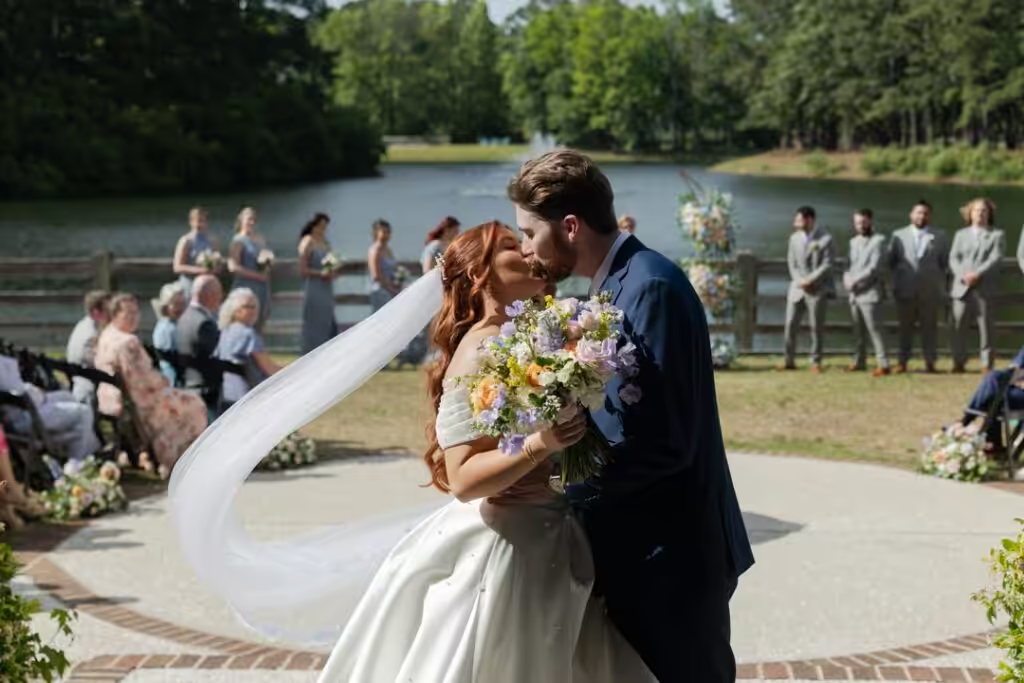
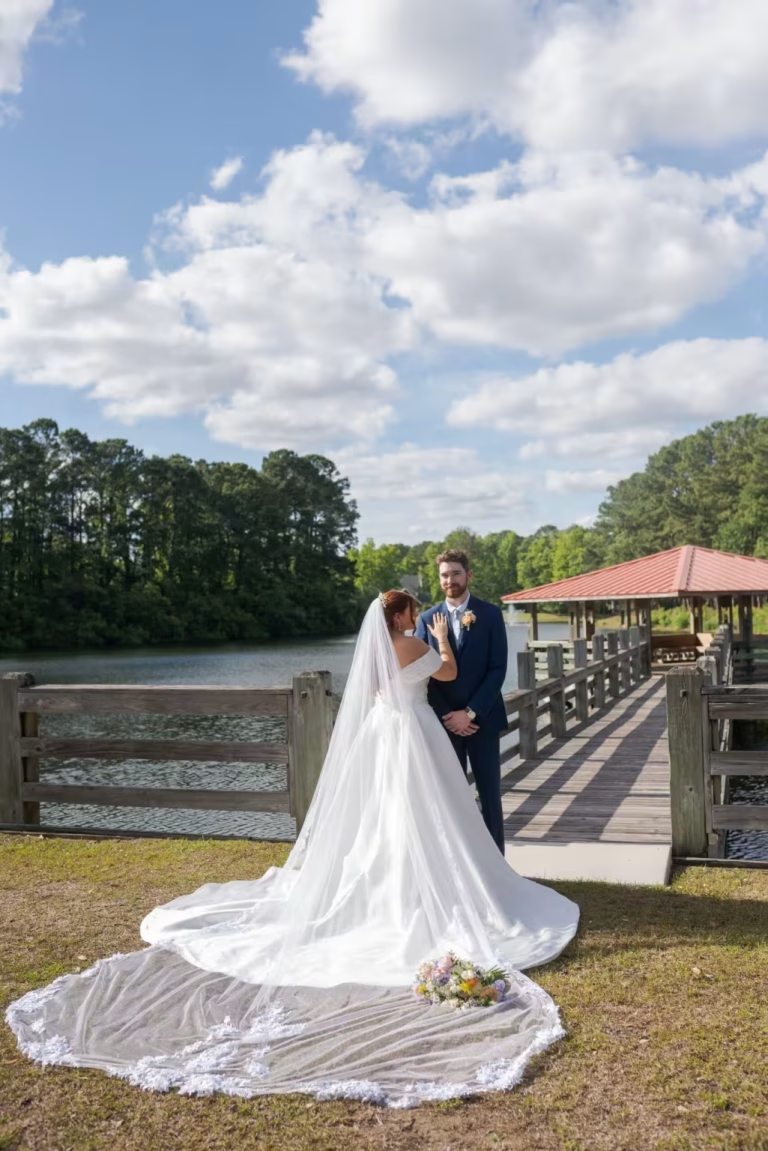
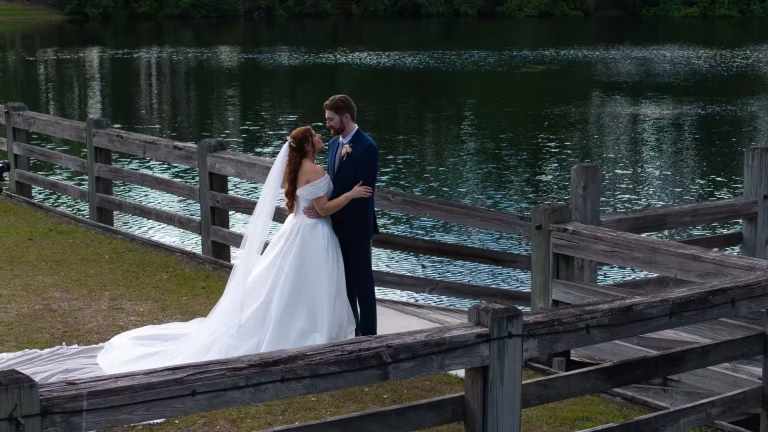
Some moments belong to both. During this lakeside ceremony, the wind caught the veil as the couple kissed. The photograph freezes the veil in mid-air; a film would show it rising and settling, with the guests cheering underneath.
The planned photographs need the most organization: the family groups. Those move faster with a list prepared in advance, a name attached to every group, and one person from each side who can recognize the faces and round them up.
Where the two get in each other’s way
Plenty of couples want both and book two unrelated vendors. Then each one gets its own briefing and its own schedule, both want the same spot at the end of the aisle during the vows, and a light stand ends up in the processional photo.
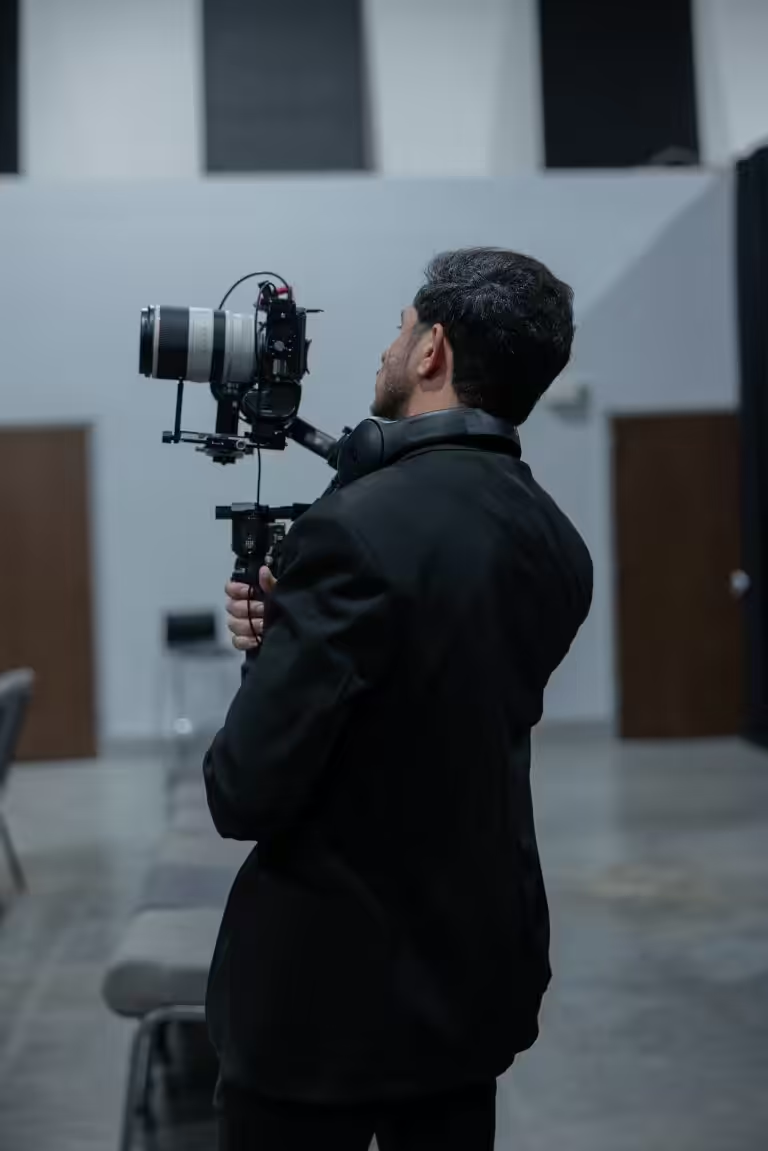
Modern video kit helps. A camera on a handheld stabilizer, like the rig above, lets a videographer move quietly instead of parking a tripod in the aisle.
The real fix is planning, though. When photo and film are coordinated, the two agree who stands where before anyone walks in, share one timeline and answer to a single conversation with the couple.
If you book them separately, introduce them early, send both the same timeline and ask them to talk before the day about the ceremony positions.
If the budget covers only one
Decide by what you will go back to. Couples who see themselves printing an album, filling a wall and sending cards should start with the photographer. Couples who most want to hear the vows again, or to keep a grandmother’s toast in her own voice, should give the film more weight.
The shape of the day matters too. A courthouse ceremony followed by lunch needs a few hours of coverage; a full Saturday across two venues needs a team that can move between locations without missing anything.
What either one costs depends on the hours, the number of locations, how many people are on the team, the edits and any albums or prints, so ask each vendor to quote your actual day rather than a package.
Music, sharing and the film online
One practical question is easy to forget: where will the film be shared?
If the film is set to a commercial song, that matters. YouTube’s Content ID system scans uploaded videos for copyrighted audio, and when it finds a match, the copyright owner’s settings decide whether the video is blocked, has ads placed on it or is simply tracked (YouTube Help, How Content ID works).
Ask the videographer which music the film will use, and whether a version is meant for posting online. A film that plays perfectly on a TV at home can still run into trouble on a public channel.
When each one arrives
Photos and film are edited separately, on separate schedules, so they rarely arrive on the same day. Ask both for the delivery date in writing, especially if a reception slideshow, thank-you cards or an anniversary depends on it.
The studio’s article on how long it takes to get photos back explains what happens between the last frame and the gallery.
How Studio FB USA handles a request for both
Studio FB USA photographs and films weddings across Summerville, Charleston, Mount Pleasant, North Charleston, Goose Creek, Moncks Corner and the wider Lowcountry, from its studio at 115 Crosscut Lane in Summerville. A couple who wants both books one team instead of two vendors.
Requests for photography, film or both arrive in one message, and coverage is quoted for the day the couple is actually having, from an elopement to a full Saturday, rather than sold as a fixed package.
When both are booked, the photographer and the film crew plan the day together and agree on their places before the ceremony. Planning happens in English, Portuguese or Spanish, which helps when the families on each side speak different languages.
What the film side keeps, and how it is planned, is laid out on the studio’s page about wedding videography in Charleston.
To start, send four things: the date, the venue or venues, roughly how many guests, and whether you want photography, film or both. Read how Studio FB USA works as a Charleston wedding photographer, then check your wedding date with Studio FB USA or call or text (843) 727-5264.